Polycystic ovary syndrome is usually described as a hormonal condition, and it is. But for a large share of women who have it, the engine underneath is metabolic: insulin resistance.
Estimates vary by population and by how resistance is measured, but a substantial majority of women with PCOS show some degree of it, including many who are not overweight. That is why nearly every PCOS diet you will read begins with sugar.
**The mechanism, briefly**
When cells respond poorly to insulin, the pancreas compensates by producing more of it. Persistently high circulating insulin does two things that matter in PCOS. It stimulates the ovaries to produce more androgens, which drives the acne, the hair changes and the irregular cycles. And it suppresses sex hormone binding globulin, the protein that keeps testosterone bound and inactive — so more of what is produced stays free.
So the chain runs: refined carbohydrate and sugar raise glucose, glucose raises insulin, insulin raises free androgens, androgens drive symptoms.
Reducing the glucose load does not cure PCOS. It addresses one lever in that chain, and it is the lever most within daily control.
**Where sweeteners fit, honestly**
A zero-glycemic sweetener does not treat PCOS. It removes one input.
The realistic claim is narrow: if you currently take sugar in two cups of tea a day, that is roughly 8 to 10 grams of sugar and about 60 to 80 calories, repeated daily. Replacing it with a sweetener that produces no glucose response removes that input without asking you to stop drinking tea. People sustain changes they do not experience as deprivation, and abandoning a diet is the most common reason diets fail.
What it does not do is offset a diet otherwise high in refined carbohydrate. Sweetener in your chai while the rest of the day runs on maida and biscuits changes very little.
**What the evidence supports more strongly than sweeteners**
If you are building a PCOS routine, the order of impact is roughly this.
Resistance training and walking after meals improve insulin sensitivity measurably, and the effect does not depend on weight loss.
Protein at every meal blunts the glucose response of the meal around it and improves satiety. Most Indian breakfasts are carbohydrate-heavy; adding eggs, paneer, curd or sprouts to a poha or paratha breakfast changes its glucose curve.
Sleep matters more than people expect. Short sleep worsens insulin sensitivity within days.
Fibre slows glucose absorption. Whole dals, vegetables and whole grains in place of refined flour.
A modest, sustained reduction in added sugar — which is where a sweetener helps.
Notice that a sweetener is on this list, but near the bottom. Anyone selling it as a PCOS solution is overselling.
**On erythritol specifically**
If you are managing PCOS you have probably read something alarming about erythritol. The 2023 study that drove those headlines measured existing erythritol levels in the blood of high-risk cardiac patients, and could not separate erythritol consumed in food from erythritol the body produces by itself — which people with metabolic dysfunction produce more of. That design cannot show that eating it caused the events observed. We wrote up the detail separately.
**The practical version**
Cut the glucose load where it is easy to cut and hard to miss: tea, coffee, desserts you eat regularly. Keep the food you actually enjoy. Put your effort into protein, movement and sleep, which move insulin sensitivity more than any sweetener will.
This is general information, not medical advice. PCOS management should be guided by your own doctor or dietitian, particularly if you are taking metformin, inositol or hormonal treatment.
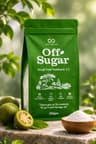
Off Sugar Monk Fruit Sweetener
₹300.00• 250g pouch